GMB Management for Multi-Location Businesses: Avoiding Duplicate Content and Cannibalization
Master Google Business Profile management for multiple locations. Avoid duplicate content and cannibalization issues with expert strategies for local SEO success.
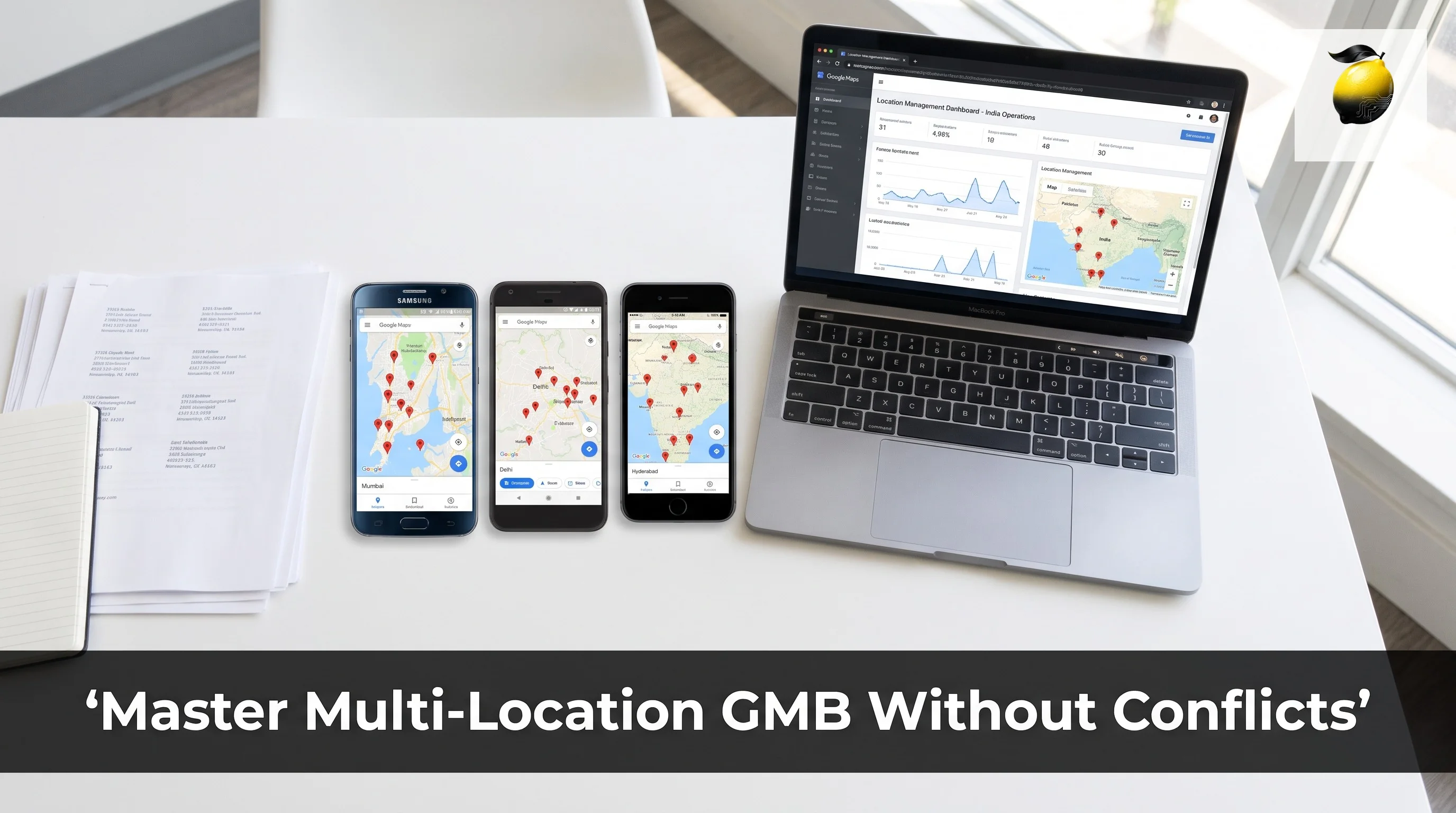
GMB Management for Multi-Location Businesses: Avoiding Duplicate Content and Cannibalization
Managing multiple business locations in today's competitive digital landscape presents unique challenges, especially when it comes to maintaining a strong local search presence. For businesses operating across different areas, effective google business profile management becomes critical to avoid common pitfalls that can harm your local SEO performance. Whether you run a chain of water purifier showrooms, home appliance stores, or service centers across Indian cities, understanding how to prevent duplicate content and cannibalization issues is essential for maximizing your online visibility. Strategic google business profile management gurgaon and beyond requires careful planning, consistent execution, and a deep understanding of how Google's algorithms interpret multiple location listings. Getting this right means the difference between dominating local search results and watching your locations compete against each other for the same customers.
Multi-location businesses often struggle with maintaining unique, compelling content across all their profiles while ensuring each location stands out in its respective market. The challenge intensifies when you operate in closely positioned areas or serve overlapping customer bases. Without proper management, your business locations may end up competing against each other in search results, diluting your overall online presence and confusing potential customers. This phenomenon, known as cannibalization, occurs when multiple pages or profiles target the same keywords and audience, ultimately harming your search rankings.
The good news is that with the right approach to profile management, you can establish a robust multi-location strategy that enhances each location's visibility while maintaining brand consistency. This requires creating distinct profiles that highlight each location's unique characteristics while adhering to Google's guidelines and best practices. From crafting location-specific descriptions to managing customer reviews across different branches, every element demands attention to detail and strategic thinking.
In this comprehensive guide, we will explore proven strategies for managing Google Business Profiles across multiple locations, focusing on techniques that prevent duplicate content issues and eliminate cannibalization risks. You'll discover practical methods to differentiate each location, optimize for local search, and build a cohesive online presence that drives customers to all your branches without internal competition.
Understanding Duplicate Content Issues in Multi-Location Profiles
Duplicate content occurs when identical or substantially similar information appears across multiple Google Business Profiles, confusing search algorithms and potentially triggering penalties. For businesses with multiple locations, the temptation to copy-paste business descriptions, service lists, and other content across profiles is understandable but problematic. Google's algorithms are sophisticated enough to detect repetitive content and may deprioritize or merge profiles that appear too similar, resulting in reduced visibility for all locations.
The impact extends beyond search rankings. When customers encounter identical descriptions across different locations, it creates a generic, impersonal experience that fails to communicate what makes each location special. This particularly affects customer trust and engagement, as people increasingly seek authentic, localized information when choosing service providers. For instance, a water purifier service center in Sector 29 might serve a predominantly residential clientele, while another branch in Cyber City caters mainly to corporate clients. These distinctions should reflect in your profile content.
Common sources of duplicate content include business descriptions that use the same template without customization, identical service lists that don't account for location-specific offerings, and repetitive photo content that shows the same stock images across all profiles. Even attributes and features, if selected identically across all locations without considering local variations, can contribute to the duplicate content problem. Addressing these issues requires a systematic approach to content creation that balances brand consistency with location-specific uniqueness.
Creating Unique Content for Each Business Location
The foundation of successful profile management strategies lies in developing distinct, authentic content for every location. Start with your business description, which should highlight unique aspects of each branch. Include specific landmarks, neighborhood characteristics, parking information, and local service specialties. For example, mention if a location is "easily accessible from the metro station" or "located in the heart of the shopping district with ample parking."
Customize your service listings based on what each location actually offers. While your core services remain consistent, different branches might specialize in particular areas or have exclusive offerings. A home appliance store in one location might feature a larger selection of air conditioners due to higher local demand, while another focuses on kitchen appliances. Reflect these differences in your service descriptions and categories. Consider creating location-specific landing pages on your website that you can link from each profile, further distinguishing each location's online presence.
Photographic content presents an excellent opportunity for differentiation. Capture genuine images of each location's storefront, interior, staff, and local landmarks. Include photos of actual customer interactions, community events, and location-specific installations or projects. Authentic imagery not only helps Google distinguish between profiles but also builds customer trust and provides visual confirmation of each location's unique character. Regular photo updates also signal active management to Google's algorithms, potentially boosting your local rankings.
Implementing Location-Specific Keyword Strategies
Avoiding cannibalization requires careful keyword planning that ensures each location targets distinct search queries. While your primary services remain the same, incorporating location-specific modifiers prevents your profiles from competing against each other. Instead of all locations targeting generic terms like "water purifier service," optimize each profile for hyper-local searches such as "water purifier service in Sector 43" or "appliance repair near DLF Phase 2."
Develop a keyword mapping strategy that assigns primary and secondary keywords to each location based on geographic specificity and search volume. This approach ensures comprehensive coverage without overlap. Research local search patterns using tools that reveal what customers in specific neighborhoods actually search for. You might discover that certain areas use different terminology or have unique service priorities that should inform your keyword targeting.
Create content that naturally incorporates these location-specific keywords throughout your business description, posts, and updates. When writing about special offers or new services, mention the specific location and surrounding areas it serves. This contextual relevance helps Google understand which searches each profile should appear for, reducing the risk of multiple locations competing for identical queries. Regular profile management includes monitoring search performance for each location and adjusting keyword strategies based on actual ranking data.
Managing Posts, Updates, and Customer Engagement Across Locations
Strategic use of Google Business Profile posts helps differentiate locations while keeping customers engaged with fresh, relevant content. Rather than publishing identical posts across all locations, create a posting calendar that staggers content and customizes messaging for each branch. Share location-specific updates about staff achievements, local community involvement, seasonal promotions, and customer success stories unique to each area.
Respond to customer reviews individually and authentically for each location, avoiding templated responses that create duplicate content signals. Each review response should address specific points raised by the customer and include subtle references to the location where service was provided. This personalized approach improves customer relationships while signaling to Google that each profile is actively and uniquely managed. Maintain detailed records of review response patterns to ensure consistency in tone while preserving distinctiveness.
Monitor questions and answers sections for each location separately, providing accurate, location-specific information. Common questions about operating hours, services, and facilities might receive similar answers, but frame responses in ways that include location context. For example, instead of "Yes, we offer installation services," respond with "Yes, our Gurgaon Sector 56 branch offers professional installation services throughout the neighborhood and surrounding areas." This practice reinforces each location's individual identity while providing valuable information to potential customers.
Technical Optimization and Ongoing Monitoring
Ensure each Google Business Profile has accurate, consistent NAP information across all online directories and your website. Inconsistencies in business names, addresses, or phone numbers create confusion and can contribute to duplicate listing problems. Use a standardized format for addresses and verify that each location's phone number is unique and functional. Regular audits of your business listings across various platforms help identify and correct discrepancies before they impact search performance.
Implement schema markup on your website to help search engines understand the relationship between your locations. Use LocalBusiness schema for each branch with distinct structured data that includes unique identifiers, service areas, and location-specific details. This technical foundation supports your broader profile management efforts by providing clear signals about how your locations relate to each other and the areas they serve.
Monitor performance metrics for each location individually, tracking impressions, clicks, direction requests, and phone calls. Compare performance across locations to identify patterns and opportunities for improvement. If certain locations consistently underperform, investigate whether duplicate content or cannibalization issues might be affecting their visibility. Use Google Business Profile Insights to understand how customers find each location and adjust your optimization strategies accordingly. Regular reporting and analysis ensure your multi-location strategy continues delivering results as search algorithms evolve and competitive landscapes shift.
Conclusion
Successfully managing Google Business Profiles for multi-location businesses requires a delicate balance between maintaining brand consistency and celebrating each location's unique characteristics. By implementing distinct content strategies, carefully planning location-specific keywords, and actively managing customer engagement across all profiles, you can avoid duplicate content issues and prevent cannibalization that undermines your local search performance. The key lies in viewing each location as an individual entity with its own identity while maintaining the cohesive brand experience customers expect. Regular monitoring, continuous optimization, and authentic representation of each branch's offerings ensure your multi-location business thrives in local search results. As competition for local visibility intensifies in 2026, businesses that master these strategies will enjoy significant advantages in attracting and retaining customers across all their locations. Invest time in proper profile management now, and watch as each location achieves its full potential in serving its local community while contributing to your overall business success.
Managing Google Business Profiles for multi-location businesses requires strategic differentiation to prevent duplicate content issues and search result cannibalization. Each location needs unique descriptions, posts, and localized content that reflects specific neighborhood characteristics, customer reviews, and community engagement. Learn more about implementing location-specific optimization strategies that help each business profile rank independently while maintaining brand consistency across all your storefronts and service areas.